
16 nights
From
€2,569
pp


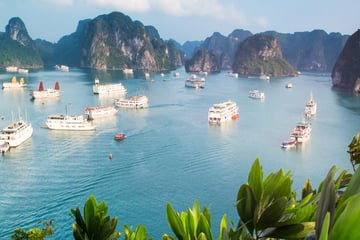
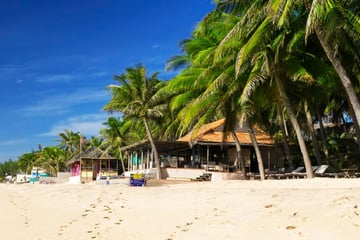

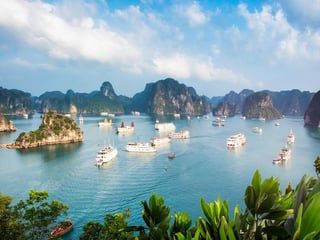
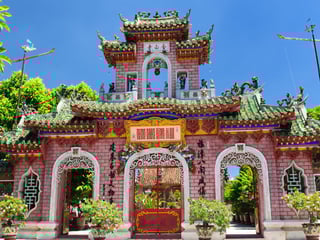
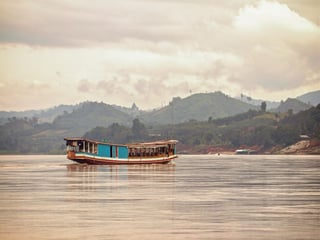
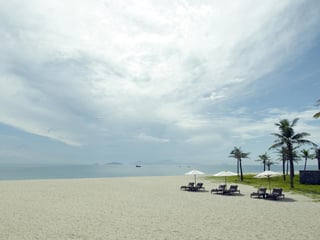
Vietnam - a land of surreal and staggering beauty, filled with interesting and intricate cultural quirks. There are unforgettable experiences around every corner – explore Hue from the back of a Vespa, cruise Halong and Lan Ha Bay from an overnight junk boat, delve into the history at the Cu Chi tunnels or simply relax on Phu Quoc’s stunning beaches.


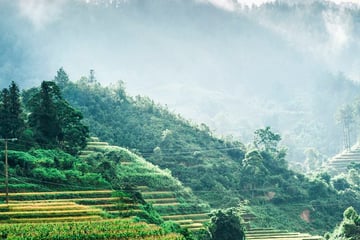
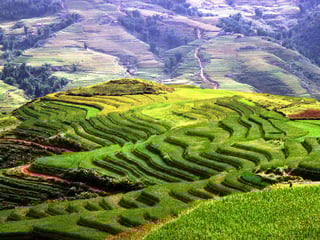
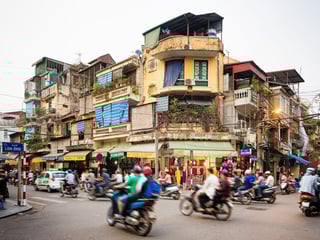
One of the Southeast Asia’s big names, Vietnam sits south of China and east of Laos and Cambodia, sharing a land border with all three. Vietnam is home to a number of fast-growing and busy cities which are an unforgettable travelling experience. But Vietnam holidays don’t have to mean navigating the bustling streets of Hanoi or Ho Chi Minh City; if you would rather enjoy a relaxing holiday, there is a range of often-forgotten beach resorts and cultural destinations. The country has been blessed with soaring mountains, gorgeous national parks and an amazing coastline packed with stunning white sand beaches. Vietnam’s true prize is its people who are incredibly optimistic despite having endured a complicated history.
We offer some truly amazing tours through Vietnam. And with the opportunity to see multiple interesting cities and a wide range of historical sites, a tour might well be the best way to see the country. With marvellously varied food and the kind of landscape that you’ll never forget, Vietnam is truly a stunning place to visit and it will challenge every stereotype you’ve ever heard about the place.
The people here are naturally friendly and fun-loving. Food is very important to the culture of Vietnam meaning that, perhaps unsurprisingly, it’s very good.
We at Tropical Sky can help you put together your holiday of a lifetime, tailored to meet your needs - explore a truly foreign culture that's unique and rich while tasting some of Asia's most renowned cuisine - Vietnam has it all.
Inspired? Tropical Sky also arranges Far East & Asia holidays to other destinations including Hong Kong, Tibet, China, Japan, Cambodia, Singapore, Thailand, Bali, Malaysia, Vietnam, India and Nepal.


Sign up to our newsletter
Be the first to know about our exclusive offers and holiday inspiration by email.